
When it comes to choosing the perfect awnings for your home, there are a few things you need to take into account. The style of your home, the climate in your area, and your budget are all important factors to consider. In this blog post, we will discuss some of the best awning options for different types of homes. We will also provide tips on how to choose the right awnings for your specific needs.
So if you’re thinking about adding a little shade to your home, keep reading!
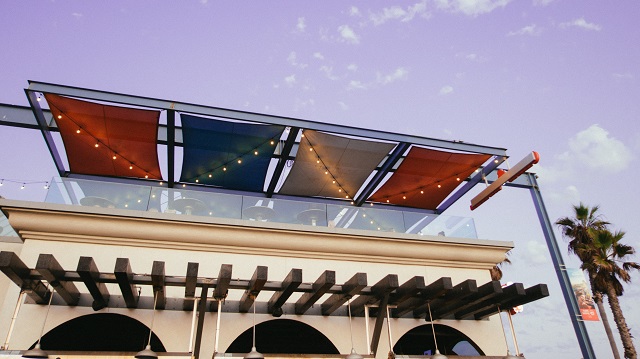
1. Style of Home
One of the first things you need to consider when choosing awnings is the style of your home. Are you looking for something that will complement your home’s architecture, or are you looking for something that will stand out?
There are awnings available in a variety of styles, so take some time to browse through your options and find something that fits your taste.
Some common styles of awnings include:
- Retractable: These types of awnings can be pulled back when they’re not needed, which makes them great for homes with limited space.
- Freestanding: Freestanding awnings are ideal if you want to be able to move them around as needed. They’re also great for creating a shady spot in your yard.
- Window: Window awnings are a popular choice for many homeowners because they can help to keep your home cool in the summer months.
- Door: Door awnings are perfect for providing shade and protection from the elements in your entryway.
2. Porch awning ideas
If you have a porch, there are a few extra things you’ll need to take into account when choosing an awning. First, you’ll need to decide how much shade you want. If you’re looking to create a completely shaded area, you’ll need to choose an awning that is large enough to cover the entire space.
When choosing awnings for your porch you’ll also need to make sure that the awning can be properly mounted on your porch.
If you have a deck or patio, you may want to consider a retractable awning. Retractable awnings can be easily moved as needed, which makes them perfect for areas that get both sun and shade throughout the day.
3. Take the right measurements
Once you’ve decided on the style of awning you want, you’ll need to measure the area where it will be installed. This is important because you’ll need to make sure the awning is big enough to cover the desired area. You should also take into account the wind speed in your area when choosing an awning size, as larger awnings can be more susceptible to wind damage.
To get started, you’ll need to measure the:
- Width of the area you want to cover
- Height of the area you want to cover
- Distance from the ground to where you’ll be mounting the awning
Once you have these measurements, you can start shopping for an awning that will fit your needs.
4. Choose the right fabric
When it comes to awnings, there are a variety of different fabrics to choose from. The type of fabric you choose will depend on your needs and the climate in your area. For example, if you live in an area with high winds, you’ll want to choose a heavier fabric that won’t be easily blown away.
If you’re looking for an awning that will provide UV protection, you’ll need to choose a fabric that has been treated with UV-resistant chemicals. Some common types of awning fabrics include:
- Polyester: Polyester is a popular choice for many homeowners because it is durable and easy to care for. Polyester can also be treated with UV-resistant chemicals, making it a good choice for areas that get a lot of sun.
- Vinyl: Vinyl is another durable option that is easy to care for. However, vinyl is not as breathable as polyester, so it may not be the best choice for areas with high temperatures.
- Canvas: Canvas is a popular choice for awnings because it is durable and has a natural look. However, the canvas can be heavy and difficult to clean if it gets dirty.
5. Choose the right color
When it comes to choosing an awning color, there are a few things you’ll need to take into account. First, you’ll need to decide if you want your awning to blend in with your home or stand out.
If you’re looking for an awning that will blend in, choose a color that is similar to the trim on your house. If you want your awning to stand out, however, feel free to choose any color that you like.
You should also keep in mind the climate in your area when choosing an awning color. For example, if you live in a hot climate, you’ll want to choose a light-colored awning that will reflect the heat. If you live in a cold climate, on the other hand, you may want to choose a dark-colored awning that will absorb the heat.
6. Choose some accessories
Once you’ve chosen the perfect awning for your home, you can start accessorizing it to make it your own. Awnings can be decorated with lights, flags, or even plants. You can also add side panels to your awning to create more shade or privacy.
If you’re looking for an easy way to add some personality to your awning, consider adding some decorative trim. This can be done by sewing on some ribbon or fabric edging.
You can also add fringe to the bottom of your awning for a more playful look. This also means that you can easily change the look of your awning whenever you want by simply changing the accessories.
Installing your awning
Once you’ve chosen and purchased your awning, it’s time to install it. You can do this yourself by following the manufacturer’s instructions carefully or you can opt for professionals. Usually you’ll need to drill holes into your house in the mounting process. Moreover, make sure the mounting area is level.
Once the awning is mounted, you can add any accessories you like and enjoy your new outdoor space.
With these tips in mind, you should be well on your way to choosing the perfect awning for your home. Just remember to take into account the style of your home, the climate in your area, and your personal preferences when making your decision. With a little bit of planning, you’ll be sure to find an awning that you love. Thanks for reading! Come back soon for more helpful tips and tricks.
Keep being AllDayChic!