Beauty has always been both lucrative and exciting. Women (and increasingly men) have always been willing to spend money on products and treatments that make them look and feel their best.
In recent years, we’ve seen a surge in the popularity of natural and organic products and an increase in demand for treatments that offer visible results with minimal effort.
This is why more people want to become experts and make a career out of it, leaving people to wonder about how to become an accredited beauty trainer? , especially after the COVID-19 pandemic.
Product Formulation
Following COVID-19, Consumers are now looking for safer beauty and personal care products. More consumers are turning to more hygienic personal care products as they become more apprehensive about germs.
This has led to innovation in all aspects of this industry. Many brands have had to reformulate their products to comply with new safety guidelines, and some ingredients have become difficult to source.
As a result, the beauty industry has rapidly adapted to the changing landscape. Fortunately, many brands have been able to rise to the challenge. Over the past year, we have seen an explosion of new products and formulations designed to meet the needs of a post-COVID world.
Consumption Patterns of Consumers
The outbreak of COVID-19 has resulted in a change in consumers’ spending habits. With many people now working from home, there is less need for expensive beauty products and treatments. Instead, people opt for more affordable and convenient options, such as drugstore makeup and skincare products.
Changes in the preferences of consumers are also observed. Cosmetic sales declined by 5% between 2019 and 2020. This is equivalent to £1.2 billion in less revenue for lip products alone.
Before this crisis occurred, 14% more prestige markets were held within that segment. Still, after it was reduced down 2 points, which accounts for most of its drop in popularity among consumers who are now choosing eye make-up instead due to increased experimentation at home.
An Increase in Skin Care and Masks
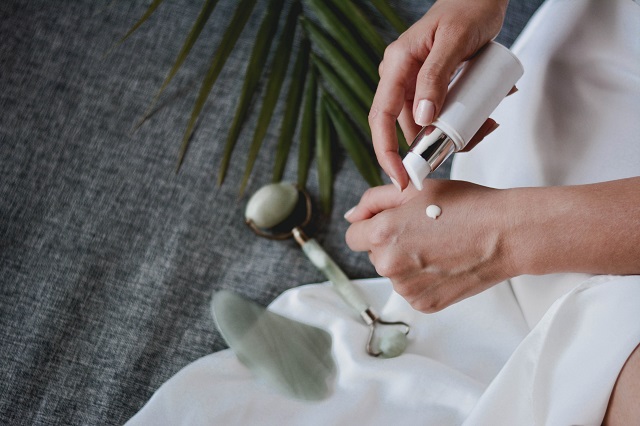
The increase in demand for skincare and masks is one of the most notable changes that we have seen in the beauty industry since the outbreak of COVID-19. With many people now working from home, there is more time to focus on self-care and personal appearance. This has led to an increase in sales of skincare products.
In the last two years, an explosion of “medicalised” or derma cosmetics has transformed skincare. The derma-cosmetics market was predominantly European but has since become global, streaming across demographics and countries alike.
Companies such as Cera Ve, Cetaphil etc., have seen their sales grow by 15% or more within America while also experiencing solid double-digit growth outside of this continent too, especially in China, where there’s around 30%-40%.
Conclusion
Undoubtedly, the beauty industry is changing, and this industry has responded to COVID-19. However, one thing is for sure: the pandemic has had a significant impact on how the beauty industry operates.
Many brands have been forced to adapt and change their business models to stay afloat. What will the future of the beauty industry look like? Only time will tell.
Keep being AllDayChic!