The marvels of western medicine underpin everything about the modern healthy person, but alternative and complementary therapies have a huge role to play, too. Harvard Health, in their series of editorials on improving health, highlights how such interventions can improve health everywhere, from your gut to your brain.
It can be easy to dismiss alternative therapies, but many of them have a significant grounding in everyday practices – and a great example of this is reflexology, a very specific – and effective – type of massage.
What reflexology reveals
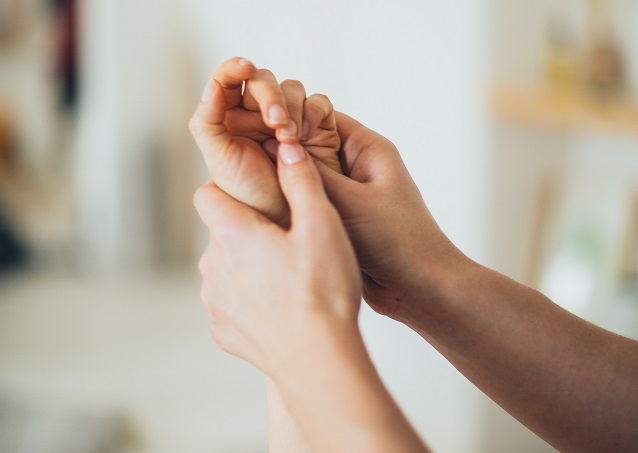
Reflexology is a wellness practice centered around the feet. It’s been going on in America for at least a hundred years now, and in its most basic forms, involves a targeted massage of the feet with a focus on acupressure – according to traditional Chinese medicine, the human body is powered by a life force, Qi, that acupressure seeks to target.
According to experts in reflexology Foot Palace, combining reflexology with acupressure on the arms, face, head and neck can effectively improve circulation, flexibility, and reduce fatigue. There’s a lot to be said for the ability of massage to release stress, but there’s also a lot of scientific evidence to back up the assertion that reflexology can do that little bit more.
According to a December 2021 journal published by Reports of Practical Oncology and Radiotherapy, children who received regular 20 minute reflexology sessions reported significantly reduced pain and improved physiological indicators, chiefly blood pressure and heart rate. Overall, this showed the effectiveness of reflexology as a complementary therapy to help ease the symptoms of other conditions.
Embracing acupuncture
The power of acupuncture is now well-known and, according to Yale Health, well accepted in American medicine. The practice, which involves inserting small needles into a wide variety of key points across the body, has been practiced for thousands of years in East Asia, and its efficacy is well known. The key is in balancing out therapies used – acupuncture can’t replace the work of medicines, for instance, and should be taken alongside exercise and stretching for back problems.
That being said, it is now recommended by many doctors as an effective alternative therapy, especially for pain, and can be considered something to really help with issues of pain and wellness.
Power of Tai chi
Another complementary therapy that some people may be aware of is Tai chi. Again, in its most basic form Tai chi is somewhat akin to yoga or pilates – however, in its true form, Tai chi is about channeling life force in a way that is conducive to the health of the body. Once again, science has shown how this practice can be powerful in conjunction with more modern therapy.
A study published on ScienceDaily found that sitting Tai chi exercises were effective in promoting recovery outcomes for older stroke survivors. Simple poses and movements help to generate a positive loop in the body, promoting regeneration. Given the severity of symptoms that stroke causes, and the difficulty of treating it, this is undoubtedly an exciting development.
What the effectiveness of these therapies really demonstrates is the power of the mind. While it’s obviously clear that some conditions can’t be cured through relaxation, acupuncture or Tai chi, they can be alleviated and symptoms helped along. This is especially crucial for anyone who has had difficulty with managing pain. Taking even a slight edge off the impact of some conditions can be life-changing, and that’s something that can’t be taken for granted. Alternative therapies are not just a fad – they are truly transformative tools.
Keep being AllDayChic!