
There is a significant transformation happening in the health and wellness sector, especially regarding weight management. Recent data shows that in 22 states across the United States, over one-third of adults are classified as obese. This concerning rise highlights an urgent need for more effective methods of weight reduction.
As obesity levels increase, the necessity to investigate and comprehend different approaches to losing weight is becoming increasingly crucial.
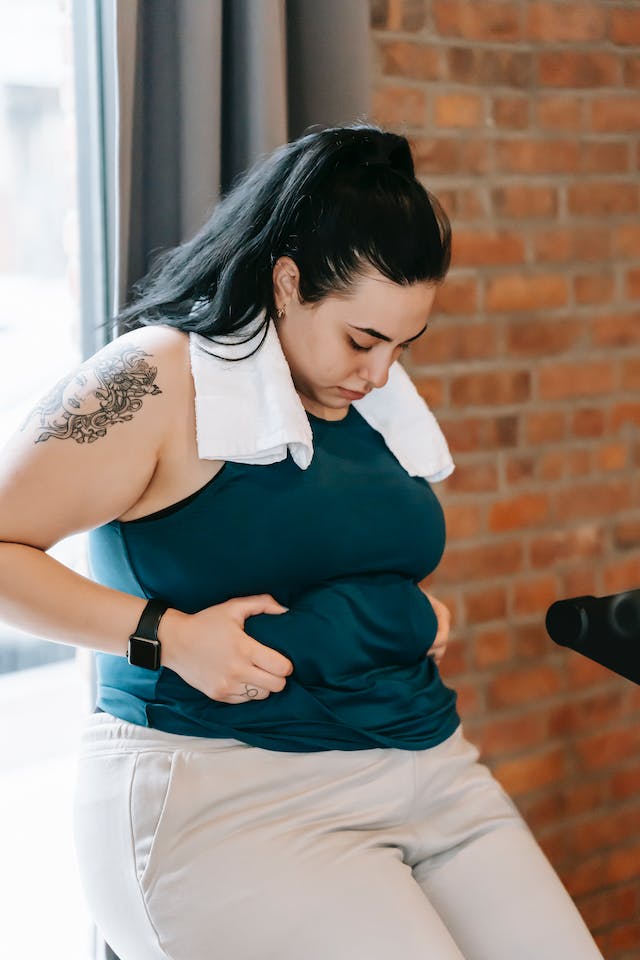
Photo by Andres Ayrton on Pexels
This guide delves into two primary categories: surgical and non-surgical weight-loss treatments. Each category presents unique approaches, carrying its own set of benefits, risks, and considerations.
With a focus on equipping readers with comprehensive knowledge, this guide aims to illuminate the paths available for those seeking to reclaim control over their health. By understanding these options, individuals can make informed decisions that align with their health goals and personal circumstances.
Understanding Surgical Weight Loss Treatments
Surgical weight-loss methods, often seen as a last resort for those struggling with obesity, have evolved significantly. One notable procedure is the SADI-S surgery.
This innovative surgery combines two techniques: sleeve gastrectomy, which reduces the stomach size, and a bypass of a significant portion of the small intestine, enhancing weight loss effects. This type of procedure is particularly beneficial for individuals with severe obesity, offering substantial and rapid weight loss.
Gastric bypass, another prevalent surgical method, involves creating a small stomach pouch and rerouting the small intestine to this pouch.
This procedure not only restricts how much food is consumed but also reduces nutrient and calorie absorption, resulting in notable weight loss. It’s important to consider risks, such as nutritional deficiencies.
Laparoscopic sleeve gastrectomy, a minimally invasive technique, involves partial stomach removal, which decreases hunger and calorie consumption. This method is often preferred due to its fewer complications and shorter recovery time.
The technique of adjustable gastric banding involves placing a band around the upper section of the stomach. This method is less invasive and can be reversed. The process of weight loss is slower, but for many, it presents a safer alternative.
A critical aspect to consider is the comparison in effectiveness, recovery time, and potential complications among these surgical methods. Each has unique benefits and risks, making personal medical history and goals pivotal in the decision-making process.
Exploring Non-Surgical Weight-Loss Options
Non-surgical weight-loss options are diverse, ranging from lifestyle modifications to medical interventions. Diet and physical activity are fundamental to non-surgical weight-loss methods. A balanced diet combined with consistent exercise can significantly reduce weight and enhance overall health.
Pharmacotherapy uses medications to assist in weight loss, which function by suppressing hunger, increasing satiety, or limiting fat absorption. These drugs are often given to those who find diet and exercise insufficient on their own.
Endoscopic procedures, like balloon therapy, are emerging as effective, non-invasive methods. A temporary gastric balloon creates limited space in the stomach, fostering a sense of fullness.
Cognitive behavioral therapy (CBT) concentrates on the psychological elements of losing weight, helping individuals change their dietary habits and behaviors associated with weight gain.
When comparing this with other non-surgical methods, each approach is designed to meet specific needs and lifestyles, highlighting the importance of personalized weight-loss plans.
Making the Right Choice: Surgical vs. Non-Surgical
Deciding between surgical and non-surgical approaches to weight loss is a nuanced process deeply influenced by a person’s unique health condition. It’s a decision that should be rooted in a comprehensive understanding of the medical background, present health condition, and specific weight loss goals.
Typically, surgical procedures are more suited to individuals grappling with a significantly higher body mass index (BMI) and confronting obesity-related health complications. In contrast, non-surgical routes often appeal to those with a comparatively lower BMI or those inclined toward less aggressive treatment methods.
Consulting healthcare professionals is crucial in this decision-making process. They can provide valuable insights and guidance based on individual health profiles and preferences.
The Journey After Treatment
Regardless of the chosen method, the journey after treatment is pivotal. Adhering to lifestyle changes, such as a healthy diet and regular exercise, is essential to maintaining weight loss. Setting realistic expectations about the outcomes and timeframes is also important to avoiding disappointment and staying motivated.
Having a support system is essential for this journey. Support groups, counseling, and regular check-ups with healthcare providers can provide the necessary encouragement and guidance to maintain long-term weight loss and health improvements.

Photo by SHVETS production on Pexels
Final Thoughts
This guide has explored the various surgical and non-surgical weight-loss treatments, highlighting their benefits, risks, and suitability. While each method offers unique advantages, the choice ultimately depends on individual circumstances and health goals.
Seeking professional advice is imperative for devising a personalized and effective weight-loss plan. Remember, the journey toward weight loss is not just about shedding pounds; it’s about embracing a healthier lifestyle for your overall well-being and longevity.
Keep being AllDayChic!