
When you are getting into riding motorcycles, you are already aware of the dangers of driving and that you should never drive without protective motorcycle gear. But just buying any equipment without knowing what to look for might do more harm than good. Here are some instructions on what to look out for when buying motorcycle gear.
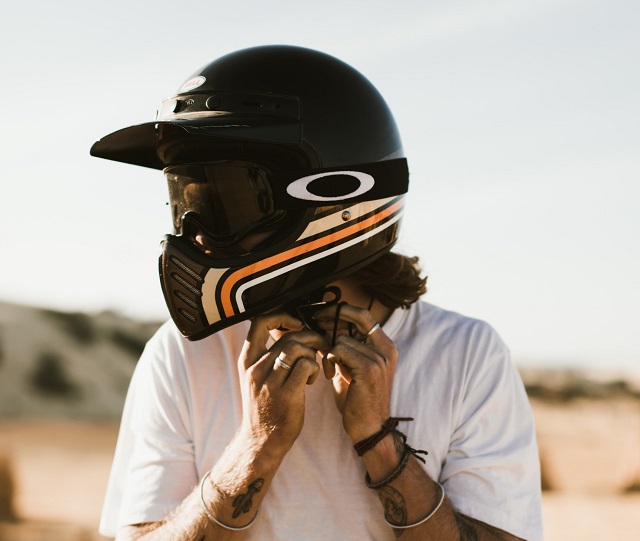
1. Good motorcycle gear helps protect you
A motorcycle is not a car that protects you when driving. It isn’t a bicycle, either, where even the helmet is considered optional by many people. When you are a part of traffic, whether it is in the city or on country roads, the increased speed and the lack of a driver’s cabin’s protection leave you vulnerable to injuries when an accident happens. Driving without protective gear is irresponsible, both towards yourself and the person that might hurt you.
But there are more benefits to a good set of motorcycle clothing. If you haven’t made that discovery yourself: the more you accelerate, the harder the wind blows in your face and on your body. Riding a bicycle in the winter and not wearing gloves leaves your fingers freezing and aching. With a motorcycle’s speed, this affects your entire body even more.
In addition to the constant air stream, encountering rain and sunshine can be equally uncomfortable. Good motorcycle gear protects you from negative weather influences and sunburn.
A full set of protective gear has 5 parts: a helmet, a jacket, pants, boots, and gloves. Alternatively, a full-body suit and additional body armor can replace and upgrade some of these.
2. Helmets
Considering your survival, the motorcycle helmet is the most crucial piece of gear. These are the factors to consider when buying a helmet:
- Do not buy used helmets! Helmets should be replaced as soon as they were in an impact, even if there is no crack visible. They might have endured non-visible damage that will make them ineffective in the next crash. On top of that, experts suggest replacing a helmet, regardless of an incident, every 5 years. When you buy your helmet used, there is no way to prove these conditions.
- Try your helmet on in person. It needs to fit snugly but comfortably if it should work correctly. While there are measuring charts that will help you find the right size online, it is always best to try them on till one fits perfectly.
- Only buy helmets that are DOT (US) or BSI Kitemark (UK) rated. The DOT Symbol on the back of the helmet for example lets you know the quality matches the US Federal Motor Vehicle Safety Standard.
- Many impacts in accidents hit the face or chin area of a driver. Open- or Three-Quarter-Helmets don’t protect these areas. A full-face helmet has the best protection, against wind, bugs, and impacts.
3. Jackets
Motorcycle clothing is made from or coated with leather or other durable textiles. They are strong enough to survive cuts and scraping over asphalt to endure the abrasion and protect your skin from getting hurt. They also make the jacket airflow- and water-resistant. Both materials have their plus points. Leather is the most durable, but fabrics are often more affordable and adapt better to your body.
Good jackets have an inner lining made of a breathable fabric like Gore-Tex, so you won’t cook underneath the leather.
- The jacket must fit snugly but allow you to bend forward without exposing your back. The tighter the jacket is, the less fabric will flap in the wind and the less wind will get underneath.
- The jacket should have padding or body armor in vulnerable spots. These should have a CE safety rating.
- The seams should be doubled to resist abrasion and make the jacket stronger.
- Some jackets have zippers to connect them to matching motorcycle pants.
- Jackets with perforations or mesh are more comfortable in the summer, but too cold in winter.
4. Pants
The same rules for jackets apply to pants. They come in fabric or leather, should fit well, and have built in armor panels to protect your knees and hips.
There are jeans with protective panels over the same spots, but generally a pair made of leather or abrasion resistant nylon offers the best protection.
5. Boots
Boots are a must. They should be oil-resistant and non-slip to keep your feet from accidentally touching the ground, and must be high enough to protect your ankles from twisting. Motorcycle boots often have strengthened toe and heel boxes.
6. Gloves
First of all, without an airtight pair of gloves, you’ll most likely freeze your fingers off pretty quickly. But a pair of regular leather gloves isn’t the solution. If you are in an accident, your hands are at the front of the bike or protectively covering your head and usually are the first thing to be impacted.
- Gloves should be made from abrasion-resistant materials.
- The stitching must be strong to handle a lot of bending.
- Gloves should not impede the movement of your fingers and the ability to control the bike.
- They should have a protective armor or padding at the base of your palm.
7. Suits
Motorcycle suits are one-piece suits with all the described necessary protection. You can put them over your regular clothing and zip them up and remove them just as quickly, which makes them helpful for commuters. They are typically made from lighter materials and don’t offer good protection from the elements.
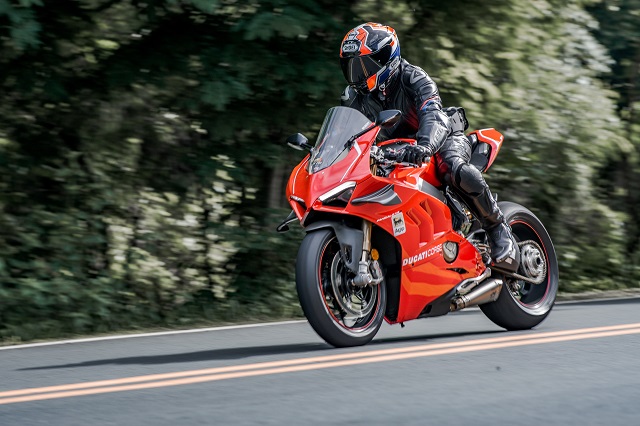
8. Armor
Armor is automatically a part of good motorcycle clothing. High-quality gear will have the padding or armor in pockets you can access, so you can swap out or add protective material. Be aware that armor comes in different sizes and should fit just right.
Keep being AllDayChic!