
Are you struggling with frequent stomachaches or want to promote good digestive function? Well, there are various beneficial foods that may help. From probiotics and bloating-fighting fruits and vegetables, these nutritious items may make you feel more at ease at the end of the day.
Yogurt is a popular dairy food packed with probiotics, which can increase the number and diversity of beneficial bacteria in your digestive tract. Plus, it’s a great source of calcium and protein.

Fermented vegetables like sauerkraut, kimchi, and miso contain prebiotic fiber to feed the beneficial bacteria in your colon. They make great additions to salads, smoothies, and soups alike.
Maintain healthy digestion by eating plenty of whole foods and limiting processed items that can disrupt digestive function. Avoid foods like red meats, caffeine, alcohol, refined sugar, fried foods, sweetened beverages, and carbonated drinks.
In this article, we are going to discuss 10 foods that can help improve your digestive health.
Importance of Digestive Health
Maintaining a healthy digestive system is one of the most crucial functions in your body. It converts food into nutrients that fuel energy production, growth, and cell repair processes. You can improve your digestive health by eating healthily, eliminating bad habits, getting enough sleep, and managing stress.
Additionally, taking probiotics and drinking plenty of water can help ensure that your system functions optimally. Here are some tips to improve your digestive health.
⦁ Eating Healthy;
⦁ Avoiding Bad Habits;
⦁ Getting Enough Sleep;
⦁ Avoiding Stress;
⦁ Taking Probiotics;
⦁ Drink Plenty of Water.
10 Best Foods to Improve Your Digestive Health
Your gut plays a crucial role in digestion, helping absorb nutrients, eliminate waste, and control body weight. Furthermore, it regulates immunity levels, reduces inflammation, and protects the brain and heart from damage.
However, if your digestion isn’t working optimally, it can cause bloating, gas, and constipation. Therefore, it’s essential to eat the right foods in order to promote healthy digestion. Here are the 10 foods that can improve your digestive health.
Additionally, you can read more about the ways to support your digestive health by exploring additional lifestyle changes.
1. Asparagus
Asparagus is an incredibly nutrient-rich vegetable that supplies various essential vitamins and minerals like folate, iron, vitamin K, potassium, magnesium, phosphorus, zinc, and copper.
Plus, it’s low in calories but packed full of soluble fiber – perfect for feeding those friendly bacteria in your gut. It boasts anti-inflammatory and antioxidant compounds. Plus, its high fiber content aids digestion and prevents constipation.
2. Artichokes
Artichokes may not be a common vegetable to many, but they’re packed with beneficial nutrients that can aid in digestive health.
Not only are these vegetables high in fiber which helps relieve conditions like constipation and diarrhea, but they also contain high amounts of antioxidants which have been known to fight cancer and cardiovascular disease.
3. Chia Seeds
Chia seeds are packed with fiber, which aids digestion. Furthermore, they’re an excellent source of omega fatty acids which may reduce the risk of heart disease and cancer.
They’re packed with essential vitamins and minerals that can be added to a variety of recipes. Pregnant women especially benefit from this, as they require more nutrient-rich foods to nourish their growing babies.

4. Coconut Yogurt
Coconut yogurt is an exciting dairy-free alternative to traditional yogurt that can help improve your digestive health. Not only is this creamy treat packed with probiotics and healthy fats, but it’s also quite tasty.
Not only does it supply your gut with beneficial bacteria, but it also contains nutrients like calcium, magnesium, and Vitamins B12 and D that work together in support of overall wellness.
5. Beans
Beans are an excellent source of fiber, resistant starch, protein, and minerals such as iron, folate, and magnesium. Furthermore, they contain plant compounds known as phenolics which may aid in improving digestive health.
Furthermore, beans have the added bonus of improving gut health by feeding beneficial bacteria in the intestines and supporting immune system function.
6. Flax Seeds
Flaxseeds are an incredibly nutrient-dense superfood, packed with plant-based omega-3 fatty acids and powerful antioxidant compounds. Plus, they provide protein and fiber – making them a beneficial addition to any healthy diet.
Flaxseed contains insoluble fiber, which encourages bowel regularity and lowers the risk of constipation, inflammatory bowel disease, diverticulitis, colon cancer, and other digestive health issues.
7. Leafy Greens
Leafy green vegetables such as kale, spinach, chard, and lettuce are essential vegetables for a nutritious diet. Not only are they packed with vitamins and minerals like folate and potassium, but also fiber which aids in weight loss.
Add some leafy greens to your daily diet for improved digestive health. Other leafy greens that you can incorporate into your diet include dandelion, red clover, plantain, watercress, and chickweed.
8. Lentils
Lentils are an excellent addition to any diet, providing protein and fiber in abundance. They provide dietary fiber that can aid in the prevention of constipation and other digestive ailments like irritable bowel syndrome, diverticulitis, and diarrhea. To maximize the nutritional benefits of lentils, cook them thoroughly until tender.
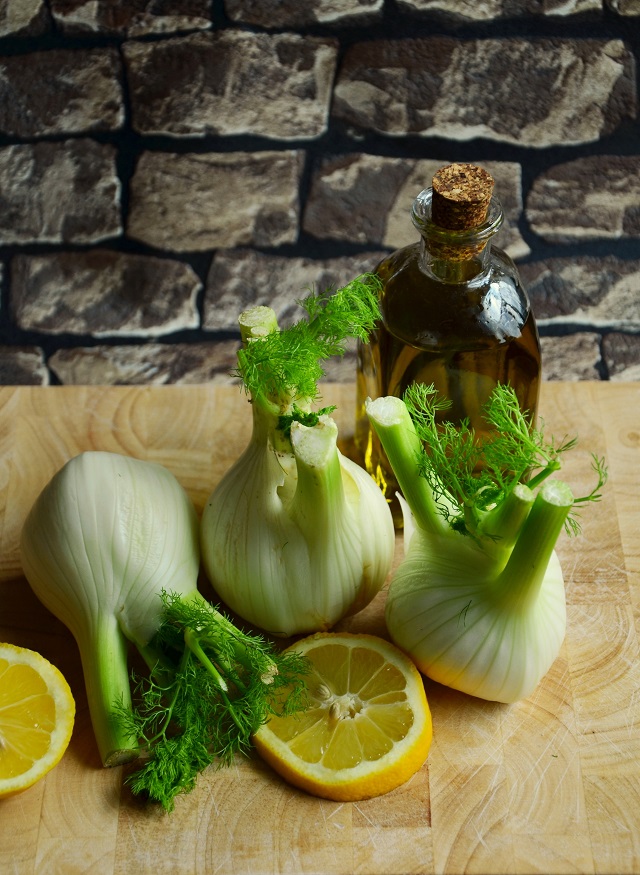
9. Fennel
Fennel seeds are full of vitamin C and iron, as well as a healthy amount of fiber. Furthermore, they’re full of antioxidants that support your immune system and enhance skin texture.
Chewing a teaspoon of fennel seeds after each meal can help relieve digestive issues such as heartburn and stomach pains. Furthermore, the seeds increase bile flow which may reduce nausea.
10. Sauerkraut
Sauerkraut is replete with probiotics and digestive enzymes, making it a nutritious food for your gut. Not only does it aid in digestion, but it may also prevent constipation. Additionally, probiotics found in sauerkraut may help alleviate symptoms of anxiety and depression.
Conclusion
Digestive health is vitally important for overall well-being and can have an immense impact on all areas of your life. Your diet and lifestyle are two areas where you can make improvements to improve digestion.
To maximize the performance of your digestive system, be sure to drink plenty of water throughout the day. Doing this will keep your digestion functioning optimally and help prevent constipation.
Eating healthily is the most important step in avoiding digestive issues. This includes cutting back on foods high in fats and sugars while increasing the intake of fruits, vegetables, and whole grains.
Keep being AllDayChic!