
Skin dryness and irritation are no strangers to many people. With everyone’s skin being uniquely different and complex from one another, it’s difficult to determine what might be causing your skin problems. When it comes to eczema, the spectrum is so broad that there’s no black-and-white solution to this skin condition.
Eczema, also known as atopic dermatitis, is a common persistent condition that causes redness and itchiness in the skin. People diagnosed with this suffer from flare-ups periodically, and may even be accompanied with asthma and hay fever. According to the National Eczema Association, 10.1% of the United States population experience some form of atopic dermatitis.
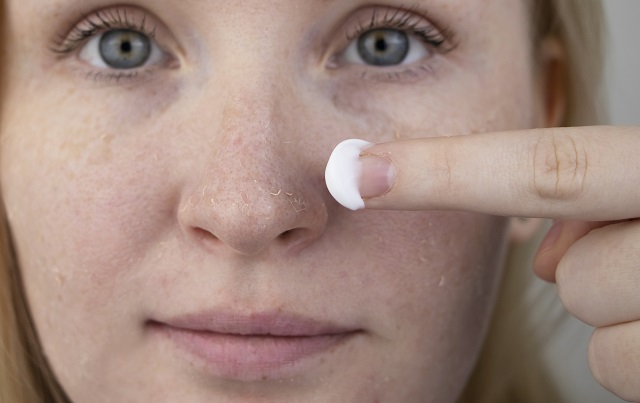
Currently, eczema still has no cure, but there are a handful of ways to manage this condition. With the help of this guide, here are five tips to deal with atopic dermatitis and keep your skin in good condition:
1. Moisturize For Your Life!
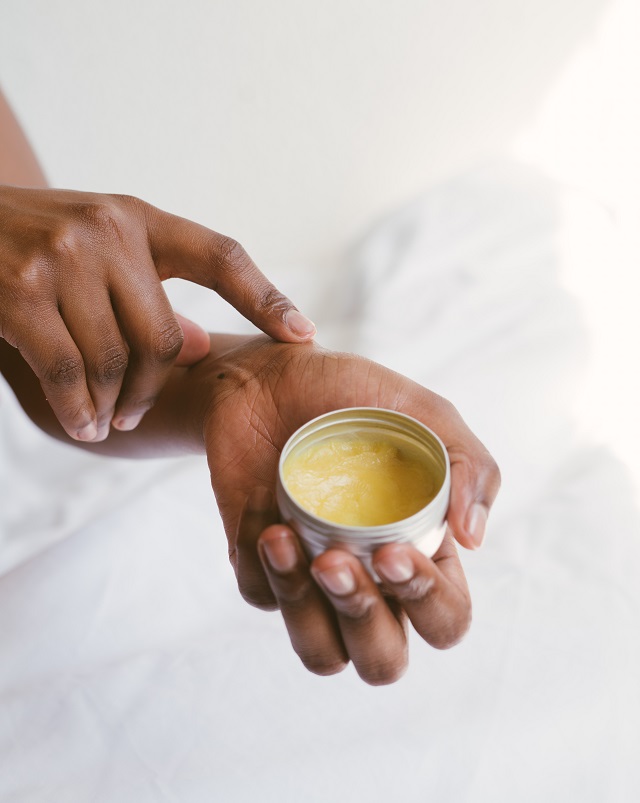
The number one symptom associated with eczema is dryness, so there’s no better advice than moisturizing your skin generously and frequently. Once you step out of the shower, make moisturizing your damp skin a habit. Since individuals with eczema are prone to dryness, water can easily evaporate from their skin and leave it dry. Applying a rich moisturizer can lock in moisture into your skin and form a protective barrier against potential irritants.
When picking a body moisturizer, look for products with soothing, calming, hydrating, and moisturizing properties containing, but aren’t limited to, the following eczema skin-friendly ingredients:
- Colloidal oatmeal;
- Shea butter;
- Glycerin;
- Ceramides;
- Petrolatum;
- Hyaluronic acid;
- Virgin coconut oil;
- Niacinamide.
Moreover, stay away from these ingredients that could irritate your skin and trigger your eczema flare-ups:
- Fragrances and essential oils;
- Alcohol;
- Cocamidopropyl betaine;
- Propylene glycol;
- Lanolin.
2. Look Into Light Therapy
Topical treatments help battle eczema in numerous ways, but sadly, some people don’t respond well to them. If your topical creams and lotions aren’t doing the best for you, it’s time to check out light therapy.
Light therapy, or phototherapy, is an FDA-approved treatment for atopic dermatitis which is used to minimize your inflammatory responses, the leading cause of eczema flare-ups, through ultraviolet (UV) lights. Check out this informative post if you’d like to learn more about light therapy for eczema, and also for other conditions like contact dermatitis and psoriasis.
If you’re planning to undergo phototherapy, finding the right professional to administer the treatment is paramount. Light therapy should only be prescribed and performed by a certified dermatologist from the following organizations:
- American Academy of Dermatology Association;
- National Eczema Association;
- American Osteopathic College of Dermatology;
- The Skin of Color Society (SOCS);
- Your state or country’s board of licensed dermatologists.
3. Make Humidifier Your New Best Friend
Humidity is a must for people with eczema-prone skin. Since trapping water in your skin is vital to keeping it calm and hydrated, you should avoid staying in a dry environment for long periods. During the wintertime, or even when staying in an air-conditioned room 24/7, make sure to invest in a humidifier to maintain ideal moisture levels for your skin.
Ideally, 40% to 60% relative humidity levels are most comfortable for the human skin. Going lower than this can trigger your eczema, while climbing too high encourages dampness and growth of unwanted bacteria and mold in your living space.
4. Curate A Smart Skincare Routine
The face can also be a victim of eczema, a variant of the skin condition called facial eczema, which is evident around the cheeks, chin, and ears. If you have higher skin sensitivity than other skin types, it’s vital to be mindful of what products you put on your face. With this, you should curate a smart skincare routine that can ease your condition without having to spend a fortune.
Your safest choice is to find skincare products made for sensitive skin, which are free of potentially irritating ingredients enumerated above. Unscented and dye-free products are also eczema skin-friendly. If you regularly use makeup, don’t forget to look for fragrance-free cosmetics as well.
Complex skincare regimens don’t work with individuals with eczema. Take note that the more products you’re putting on your face, the higher your chances of irritation are. Build a routine involving a gentle cleanser, moisturizer, and sunscreen, and avoid switching products in such short intervals.
5. Keep Stress Levels Low
Most people are only aware of the physical and environmental triggers of eczema, but internal factors such as stress also play a vital role in your skin’s function. When you’re stressed, your body releases high levels of cortisol, the stress hormone, and promotes extreme oil production. With an abnormally oily skin, an eczema flare-up can occur.
Thus, it can be helpful to track your daily stress levels using a journal and avoid stressful situations as much as you can. Depending on your lifestyle and interests, there are many ways to overcome your stress and restore your emotional balance.
Bottom Line
Having eczema is a huge inconvenience to your daily life. Thankfully, with many treatment and management methods discovered today, you can get ahead of your condition and still live a normal life. Take note of these tips discussed to help you deal with atopic dermatitis, and most importantly, keep searching for what works best for your own skin.
Keep being AllDayChic!