
Most people admit that their lifestyles could do with a few changes. They could be anything from eating more healthily and taking regular exercise, to improving their work-life balance. Another important thing to consider is having a greener lifestyle. Living a life that’s kinder to the environment can seem daunting, but it doesn’t have to be. In this article, we’ll provide some simple tips that you can follow to make your daily life more eco-friendly.
Use Environmentally-Friendly Cleaning Equipment
Here are some examples:
- Use a natural disinfectant like vinegar and water instead of bleach or other sprays.
- Use eco-friendly laundry detergent.
- Make your own cleaning solutions with simple ingredients like baking soda, lemon juice, and vinegar.
- There are now eco-friendly vacuum cleaners that use less energy and produce less pollution than traditional models.
The internet is a great place to search for socially responsible cleaning materials. You can buy eco friendly dishcloths that are reusable and biodegradable, yet highly effective. They’re very absorbent, clean without streaking, and last from two to twelve months.
Buy Reusable Grocery Bags And Drinks Bottles
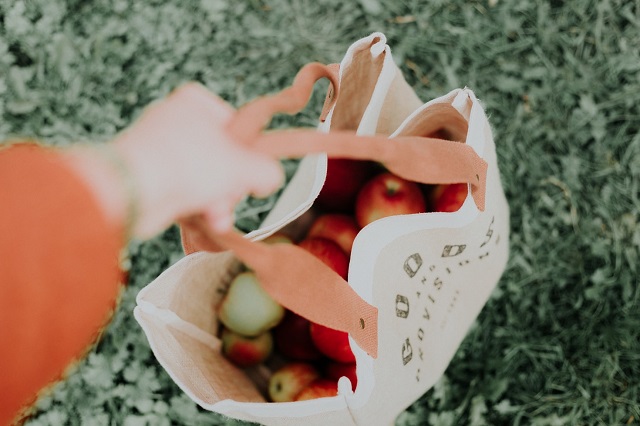
Most supermarkets offer reusable bags for purchase, and some even give them away. Not only does this reduce the amount of plastic waste going into landfills, but it also saves you money in the long run. They are longer lasting and more able to contain heavy items than disposable plastic bags, and they can be used for a wide range of different purposes.
Reusable drinks bottles are another great way to reduce plastic waste. If you buy one made of stainless steel or glass, you can use it over and over again. Plus, using a reusable version helps reduce the number of plastic bottles needing to be manufactured.
Reduce Your Electricity Usage
Leaving electronics plugged in when you’re not using them can waste a lot of power. Many appliances have standby buttons that remain on, even when the device is not in use. Some examples include microwaves, electric chargers, televisions, and music speakers. To save energy (and money!), unplug your devices when you’ve finished using them.
Installing a programmable thermostat can enable you to only heat your home when you need it (and to set the required temperature in advance). LED light bulbs are more energy-efficient than traditional incandescent bulbs and last much longer, which can save you a lot of money in the long run.
A final suggestion – if you have the finances to make a long-term investment – would be to buy solar panels that reduce your demand for conventional electricity sources. As there are electricity providers like australia energy that also offer solar panels in their services, you may want to check with your current one if they do the same so it won’t be a hassle to change suppliers.
Buy Organic Food Or Grow Your Own
Organic food is grown without the use of pesticides, herbicides, and other harmful chemicals. It’s grown in a way that protects the environment, such as using less water and not tilling the soil.
Organic food is often fresher and tastier than its non-organic counterparts. Whilst it generally costs more than standard groceries, it could be your way of supporting socially responsible farming. Farmers’ markets typically have lower prices than grocery stores because the produce is sold directly from the farmer.
Another option is to grow your own If you have space in your garden or on your balcony/terrace. Producing your own fruit and vegetables is a great way to get fresh produce cheaply. You can also control how the food is grown (e.g. pesticide-free), which is great if you or someone in your household has allergies or sensitivities to chemicals.
Recycle Things And Make Compost
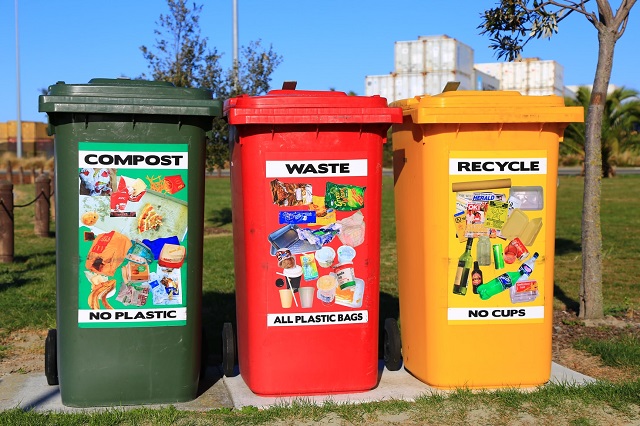
Recycling is the process of taking used materials and turning them into new products, thus reducing pollution and conserving resources. To recycle, you can either reuse the items yourself or donate them to someone who can. You can also take them to your local recycling center. There are many different things that can be recycled, including:
- paper;
- plastics;
- glass;
- cans;
- clothes.
Composting is the process of breaking down organic materials, such as food scraps and leaves, into a nutrient-rich soil amendment. This can be done either onsite or offsite. Onsite composting involves setting up a compost bin in your backyard, while offsite composting takes place at a local facility. It’s a great way to reduce your waste output and improve your garden’s soil quality.
Upcycle
Upcycling is the process of taking something that would have been thrown away and turning it into a new product. For example, you could use an old T-shirt as a cleaning rag instead of buying one from the store. Now, here are some additional tips to get you started:
- Give old clothes a new life by upcycling them into something new like a skirt, bag, or scarf.
- Use glass containers to store food instead of things like plastic bags.
- Turn an old dresser drawer into a cat bed by adding some cushions and pillows.
- Stain, varnish, or paint your old wooden furniture to give it a new lease of life.
- Reupholster your sofa (or add a throw) and chairs, and replace the cushion covers to save you replacing them.
Reduce Your Water Usage And Replace Your Old Appliances
Something as simple as showering less often or taking shorter showers can save a lot of water over time. Another method involves installing low-flow showerheads and energy-efficient toilets that use less water when they flush. You can also save water by fixing any leaks you may have and only running the dishwasher or washing machines when they’re full. By having a water butt in your garden, you can water your plants without using conventional water supplies.
Old appliances use far more energy than newer models, so it’s important to replace them when they start to break down. Buying Energy Star certified appliances is one of the best ways to reduce your home’s carbon footprint.
Other examples include walking, cycling, or car-sharing rather than driving your car everywhere. By putting some of these practical tips into place, you’ll be investing in the future of the planet, including the lives of your children and grandchildren. No single individual can change the world, but everyone together can make a global difference.
Keep being AllDayChic!