
When it comes to summertime fun, there’s nothing quite like a swimming pool. Not only is a pool the perfect place to beat the heat, but it can also provide hours of entertainment for friends and family.
Swimming pools can add value to your home. In fact, according to Remodeling Magazine’s 2016 Cost vs. Value Report, a fiberglass or vinyl liner inground pool will recoup more than 80 percent of its cost when you sell your home.
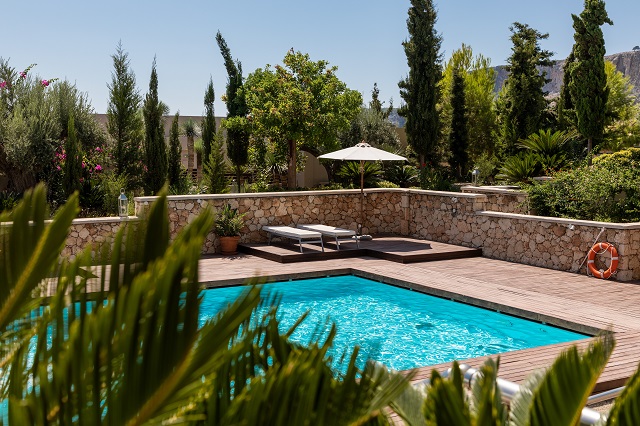
A swimming pool is also a great way to entertain guests. Whether you’re hosting a Fourth of July barbecue or just want a place for your kids and their friends to play, a swimming pool is always sure to please. And if you don’t feel like hosting, you can always invite your neighbors over for a swim!
However, installing a swimming pool is a big undertaking, and there are several factors to consider before taking the plunge. So if you’re on the fence about installing a swimming pool in your backyard, here are the vital factors to consider:
1. The Type Of Pool You Are Installing
Swimming pools come in all shapes and sizes, and there are many different types you can install in your dream house. Inground and above-ground pools are the most popular types. Let’s take a look at the different types of swimming pools available:
- Inground Pools
These are the most popular type of pool and are typically constructed by excavating a hole in the ground and filling it with concrete, fiberglass, or vinyl liners. Inground pools offer a wide range of features and design options, so they tend to be more expensive than other types of swimming pools.
However, they’re also considered more aesthetically pleasing since they blend into your yard. Installation can take several weeks, depending on the size and complexity of the project. It is important to note that inground pools often require a permit for installation, so be sure to check with your local city planning office before starting any work.
- Above-Ground Pools
Above-ground pools are the most cost-effective option and can be installed in a single day. They’re also easy to install, maintain, and remove when you’re ready to move on. Above-ground pools come in several different sizes and shapes, so you can find one that fits your space and budget.
You can customize the look of your pool by adding decking and accessories. If you are not sure where to start, you can find plenty of above ground pool landscape ideas online, so be sure to do your research before making any decisions.
You may also consult with a local pool contractor for advice. They will help you make the best decision for your needs.
2. The Size Of Your Pool
When selecting the right size for your swimming pool, there are many factors to take into consideration. Knowing the size of your backyard and how many people will be using it at any given time are essential considerations when deciding how large your pool should be.
It is important to ensure that you leave enough room in your backyard for other activities, such as entertaining guests or playing yard games.
Additionally, understanding the purpose of your pool and what type of recreation or relaxation you would like to get out of it can help determine the best size for your needs.
Smaller pools, such as those that measure up to 18 feet long, are ideal if you’re looking for something simple and low maintenance. If a basic swim-lap pool is what you’re after, a 20-foot length will do the trick.
But if you plan to entertain guests or have small children who need supervision while in the water, then a larger size may be optimal. Pools measuring up to 25 feet long are suitable for multiple swimmers and socializing around the sides.
3. Local Building Permits And Regulations
Depending on where you live, there may be specific regulations that dictate what kind of swimming pool you can install. Before installing a pool, it is important to check with your local building department for any permits or special codes that must be followed.
Additionally, many cities have laws restricting the installation of pools in certain areas due to safety concerns. Make sure to obtain all necessary permits and follow all guidelines provided by your city before starting construction.
If you are not sure where to start, it is best to consult with a local pool contractor who can help guide you through the process. They will have the most up-to-date information about building codes and regulations in your area and will be able to provide advice on the best type of pool and design for your needs.
4. Safety Features
Safety should be your number one priority when installing a swimming pool. While this is especially important if you have small children or pets, it’s a good idea to consider safety features even if you don’t.
Common safety features include fences around the perimeter, non-slip surfaces around and in the water, and covers for any type of pool.
You may also consider adding a pool alarm that will alert you when someone enters the water, as well as any lights or signs that are visible from the street.
Additionally, many states and municipalities require specific types of barriers around pools that are designed to help prevent accidents. Be sure to check with your local building department for more information about what safety measures must be taken in your area before beginning construction.
5. The Cost Of Installation And Maintenance
The cost of installing a pool can vary greatly depending on your location, the type of pool you choose, and any additional features or safety measures you include.
Generally speaking, above-ground pools tend to be more affordable than in-ground options due to their simpler construction process. You may also consider doing some of the work yourself to cut down on labor costs.
Once your pool is installed, there are additional ongoing maintenance costs that must be taken into consideration. These include regular cleaning and chemical treatments, as well as repairs or replacements for any damaged parts over time.
Most contractors will recommend an annual maintenance plan that covers these types of costs, so make sure to ask about it before hiring someone for the job.
Additionally, if you are hiring a pool contractor it is important to ask for references and make sure they are properly insured in case of any accidents.
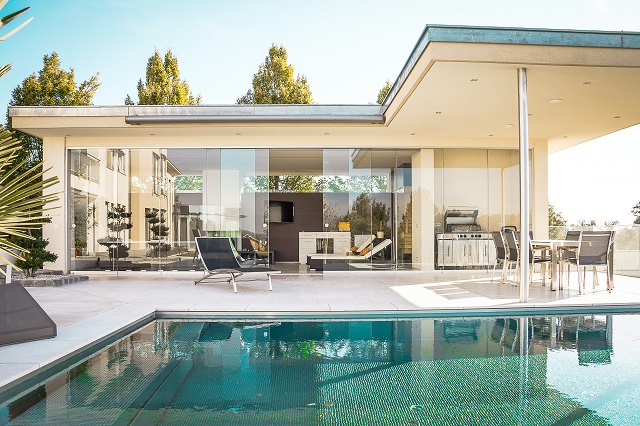
As you can see, there are many factors to consider when deciding on the perfect swimming pool size for your needs. Make sure to research all the options, obtain necessary permits and safety features, and prepare for any maintenance costs before diving into this project.
With some careful planning, you’ll be able to create the perfect backyard oasis that both meets your needs and fits within your budget.
Keep being AllDayChic!